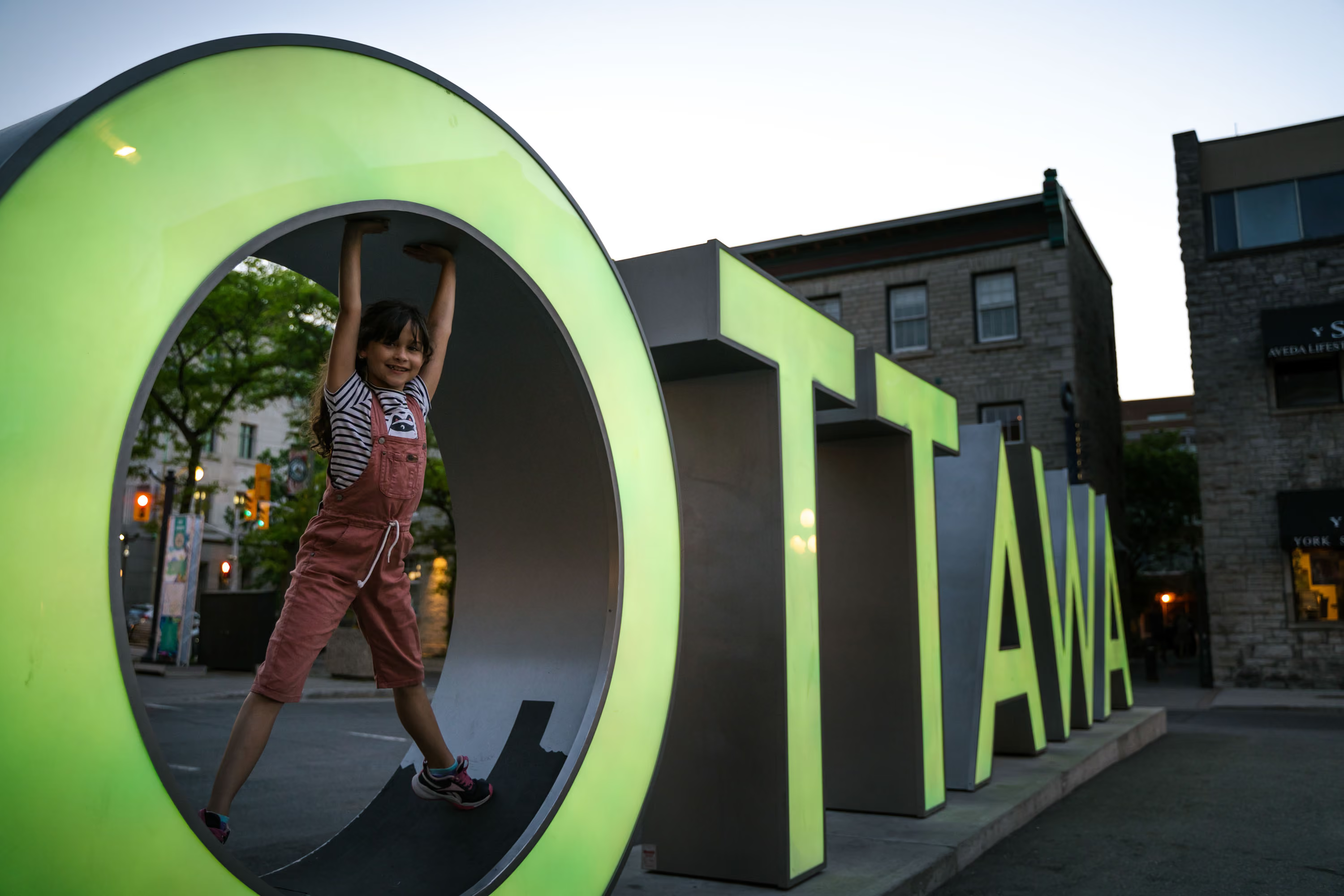
Ottawa has the strengths of a city ready to lead. The next mayor and council have an opportunity to build on them. These are the priorities Ottawa business leaders believe will create a more prosperous, competitive and connected city.
Build the housing, transportation and infrastructure Ottawa needs to keep pace with growth. Make it easier to get things built.
More homes, faster approvals and infrastructure for growing communities

Ottawa must be easy to build in. Faster, clearer approvals help housing, major projects, and city growth move at the pace the future requires.
A city that wants to grow must be easy to work with. Faster, more predictable approvals let more homes get built, keep costs down, and give the people and businesses investing in Ottawa the confidence to move forward.
Set and publish service standards for key approvals, remove barriers in the development review process, and lead a more accountable path for major files. Where growth depends on provincial funding or private investment, the City can coordinate and advocate to keep projects moving.
Approval timelines are shorter, more predictable and publicly reported against established service standards. Builders, businesses and residents can see whether performance is improving and where delays remain.
We will convene builders, employers and city officials, advocate for clear service standards, and bring business input to development review reform. We will track approval and permit timelines, service-standard performance, housing starts and the City's public reporting on all three.
Reliable transit, better roads and stronger connections across Ottawa
A growing city needs reliable, easy movement. Strong transit and stronger connections help residents, workers, and businesses keep pace with Ottawa's future.
How easily people move shapes daily life across Ottawa, including access to work, customer traffic, productivity, and quality of life. Transit reliability is one of the clearest priorities for residents and employers alike.
Adopt and fund a transit reliability and mobility plan with measurable targets, regular reporting and clear focus on the corridors Ottawa depends on most. Where major capital work requires provincial or federal funding, the City can partner and advocate to secure it.
Transit reliability and on-time performance are improving, key corridors see measurable service gains, and results are publicly reported against targets council has adopted. Residents and businesses can see whether the system is getting better.
We will bring employer and commuter perspectives into the City's mobility decisions and advocate for reliability targets that matter to business. We will track reported reliability, cancellations, ridership and delivery of major mobility commitments.
Create the conditions for businesses, talent and investment to choose Ottawa. Position our city and region to win the opportunities ahead.
A faster, clearer path to invest, build and grow
Ottawa must be easy to invest, build and grow in. A stronger city starts with a stronger relationship between City Hall and the people building Ottawa's future.
A predictable, responsive municipal environment helps businesses grow, supports local investment, and strengthens confidence across the economy. City-building works best when the city itself is easy to work with.
Create a single business-facing path through the City, set and publish service standards, and remove barriers that slow employers and investors down. Where competitiveness depends on provincial or federal decisions, the City can coordinate and advocate on business's behalf.
Employers and investors move through City Hall faster and with fewer handoffs than they do today, and business-facing turnaround times are measured and publicly reported.
We will convene employers and investors, bring their experience of City processes directly to council, and partner on practical fixes. We will track business-facing turnaround times, service improvements, commercial vacancy and new business formation.
Public progress that builds confidence in Ottawa’s future
Ottawa must show the world it can deliver. Publicly tracking the major housing, mobility, downtown and growth commitments shaping the city’s future can build confidence, attract investment and keep everyone focused on results.
Investors, businesses, governments and residents are more confident in cities that set clear priorities and demonstrate progress. Transparent reporting can show where Ottawa is moving forward, strengthen confidence in the city’s ability to execute, and help partners see where their investment, collaboration or action can accelerate results.
Lead the creation of a public city-building delivery dashboard that tracks a focused set of major commitments, milestones and outcomes over the full council term. Report regularly, make progress easy to understand, and use the dashboard to align City Hall, other governments, economic partners and the private sector around shared priorities.
Residents, businesses and investors can clearly see what Ottawa has committed to, what has been delivered, what is underway and where more action is required. Progress is visible, confidence in Ottawa as a place to invest and grow is stronger, and partners have a common platform for advancing the city’s priorities together.
Following the election, OBOT will establish a baseline and publish a scorecard on the priorities in this campaign, so progress is measured against a common starting point. We will convene partners around the dashboard and track whether it is established, kept current, and tied to outcomes that matter.
A vibrant downtown strengthens all of Ottawa. Create a safer, more welcoming core and a capital experience that reflects Ottawa's ambition and Canada's place in the world.
A safer, more vibrant capital core with more activity
A vibrant downtown strengthens all of Ottawa. The core is a shared economic and civic asset and the heart of the capital. It must feel safe, vibrant, welcoming and worthy of Ottawa's ambition.
What happens downtown matters to the whole city. A thriving core supports jobs, tourism, local business, culture, transit use and Ottawa's long-term tax base. It shapes how residents experience their city and how visitors, talent and investors see Ottawa. Building on today's momentum means creating the conditions for more people, activity and investment at the heart of the capital.
Adopt and fund a downtown plan covering safety, cleanliness, activation and public realm improvements, and remove barriers to conversions and new activity in the core. Where the federal government, the NCC and property owners hold the levers, the City can convene, partner and advocate.
More people are living, working and spending time downtown than today, and the core feels safer, more active and more investable. Public reporting shows measurable movement in pedestrian activity, commercial vacancy and new investment. It is a capital experience Ottawa is proud to share with the world.
We will convene downtown employers, property owners and cultural partners, advocate for the plan's funding, and bring business input to its implementation. We will track implementation milestones and public reporting on pedestrian activity, commercial vacancy, new investment and business conditions in the core.
We're asking every candidate what they will do, who they will work with and how Ottawa should measure the results. This election, we must ask candidates how they will deliver, and track the progress that follows.
Where Candidates Stand